What Darkness Does to Flowers
Antoniadis photographs flowers at the moment the light abandons them. The series rests on anicca — the Buddhist recognition that nothing arises without passing — yet these are not images of decay. When the light withdraws, the flowers do not wither. They bloom: luminous against the very darkness that should have erased them. Moving between botanical close-ups and the empty spaces people leave behind, the series asks what a living thing does with the darkness it is given — whether pain is an ending, or a condition for flowering. Antoniadis does not answer. The flowers do.
When pain meet darkness I
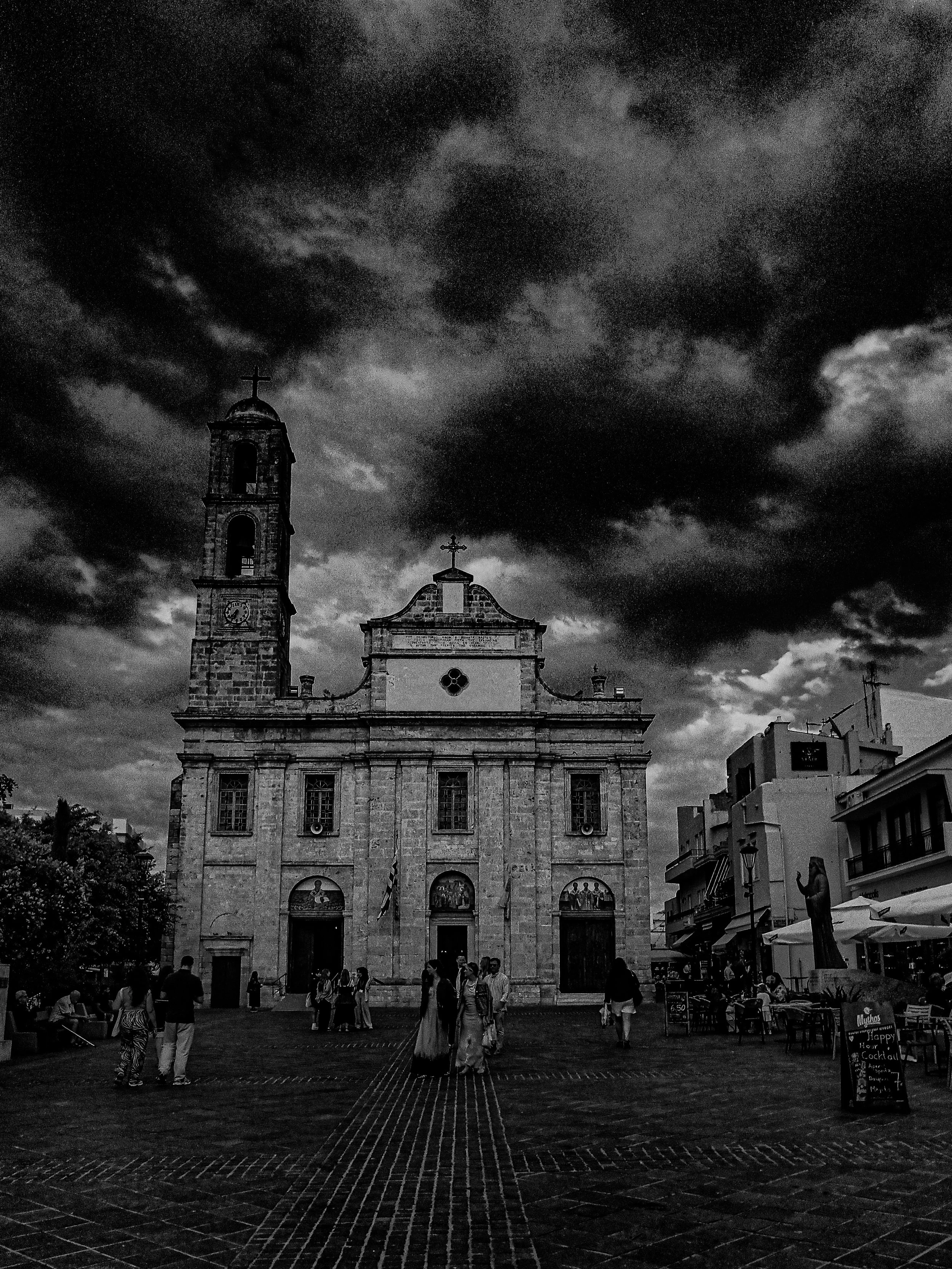
Loneliness II
Loneliness isn't just about being around people and feeling alone. It’s being in an inner state where nothing and no one satisfies you. No one will ever be able to help you love yourself unless you do it yourself first. The world is simply a fleeting way of showing us that we are mortal. But what about self-love and healing? That is its own enduring way of giving us a better life...

The meal after a war III
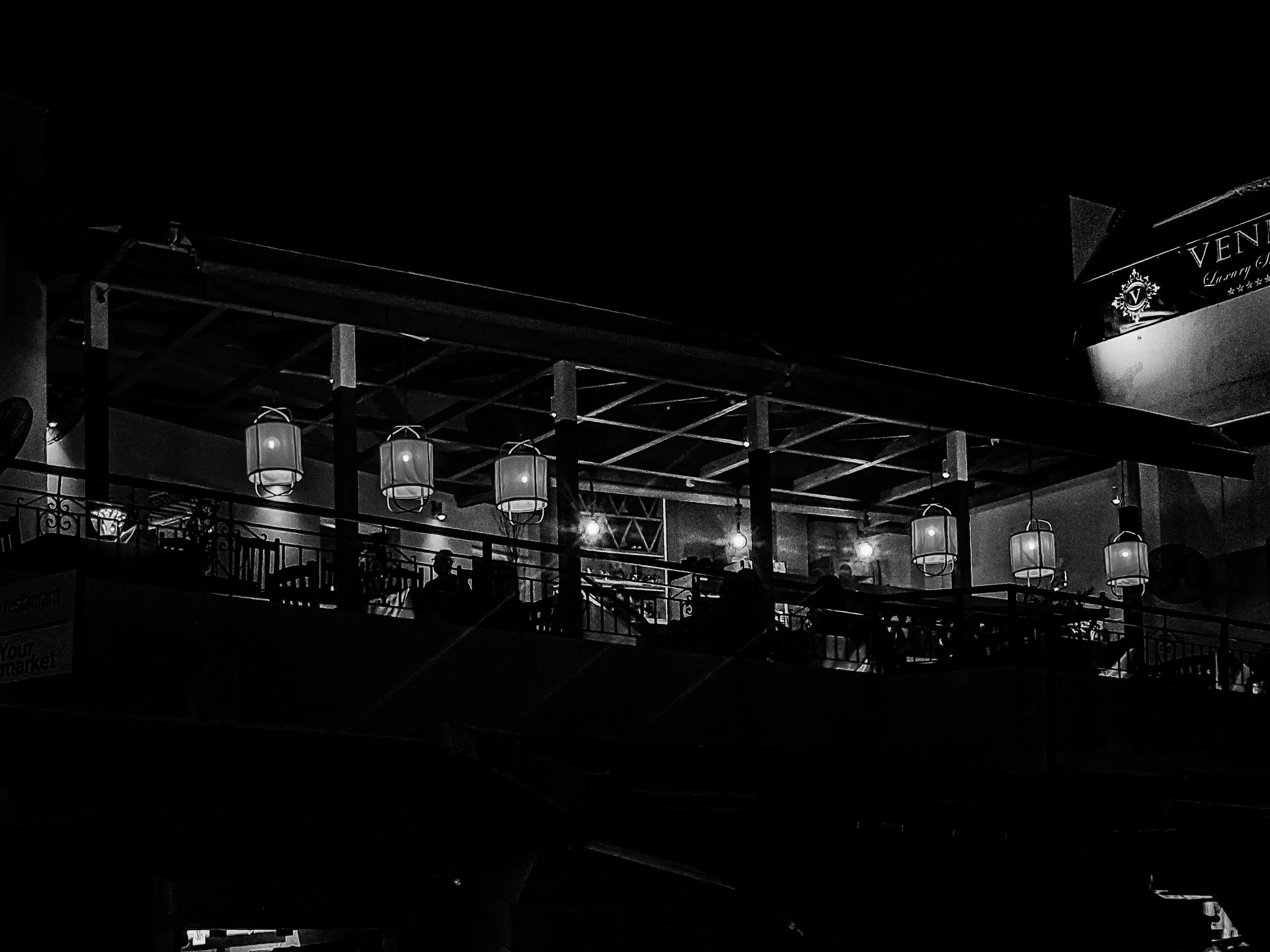
The shop IV
The opposite of loneliness is connection. Perhaps that is why Antoniadis chose this photograph—to show that people can, after all, connect with one another. And when they do, they can flourish—in their own, unique way.
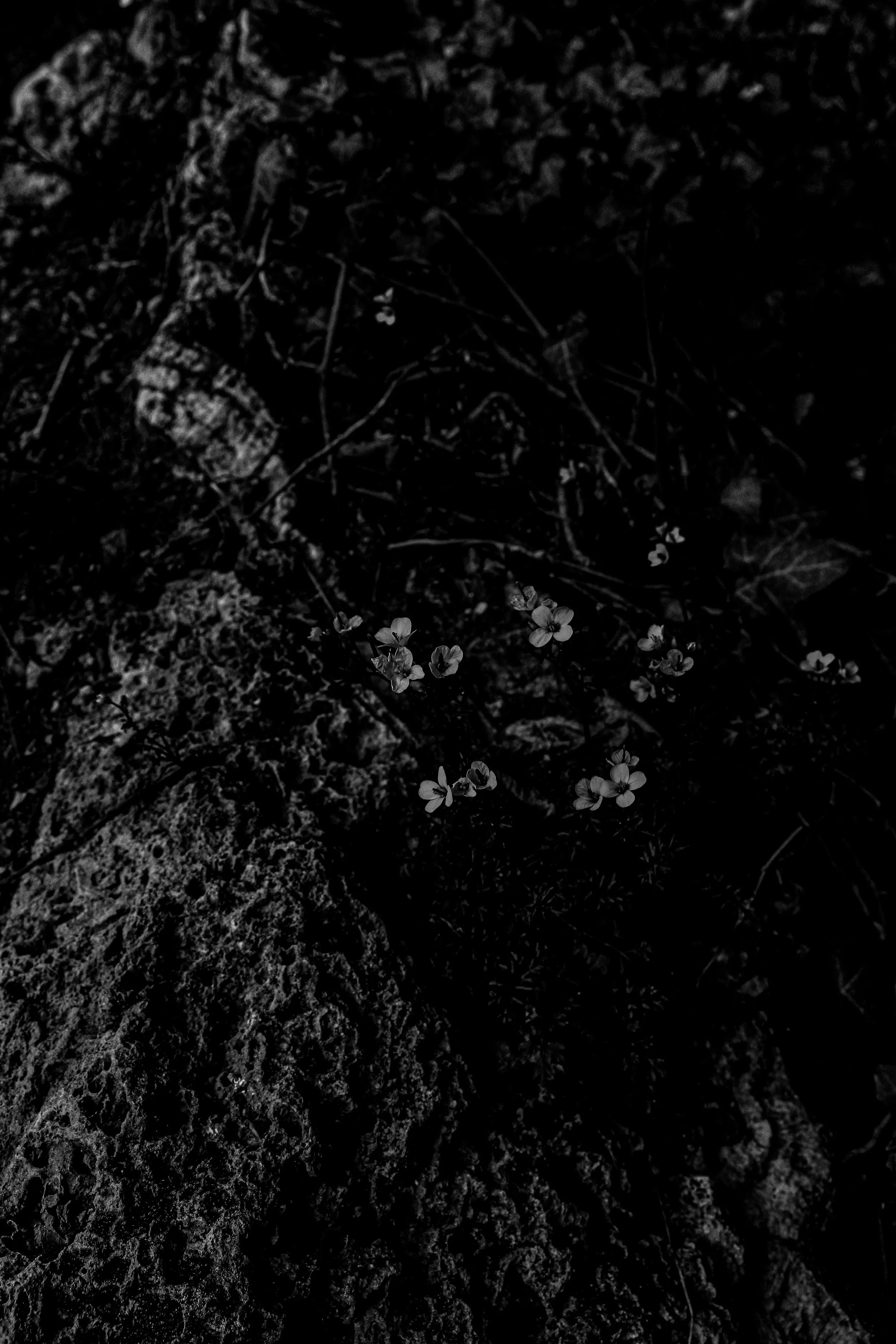
Flowers in the dark VI
A note on process — Everything here was shot on the phone I carry in my pocket. No tripod, no studio: the darkness in these frames is the darkness I found, in rooms and streets, usually when I wasn't looking for it. I converted each image to black-and-white in Lightroom, then kept removing light until only the flower insisted on remaining.
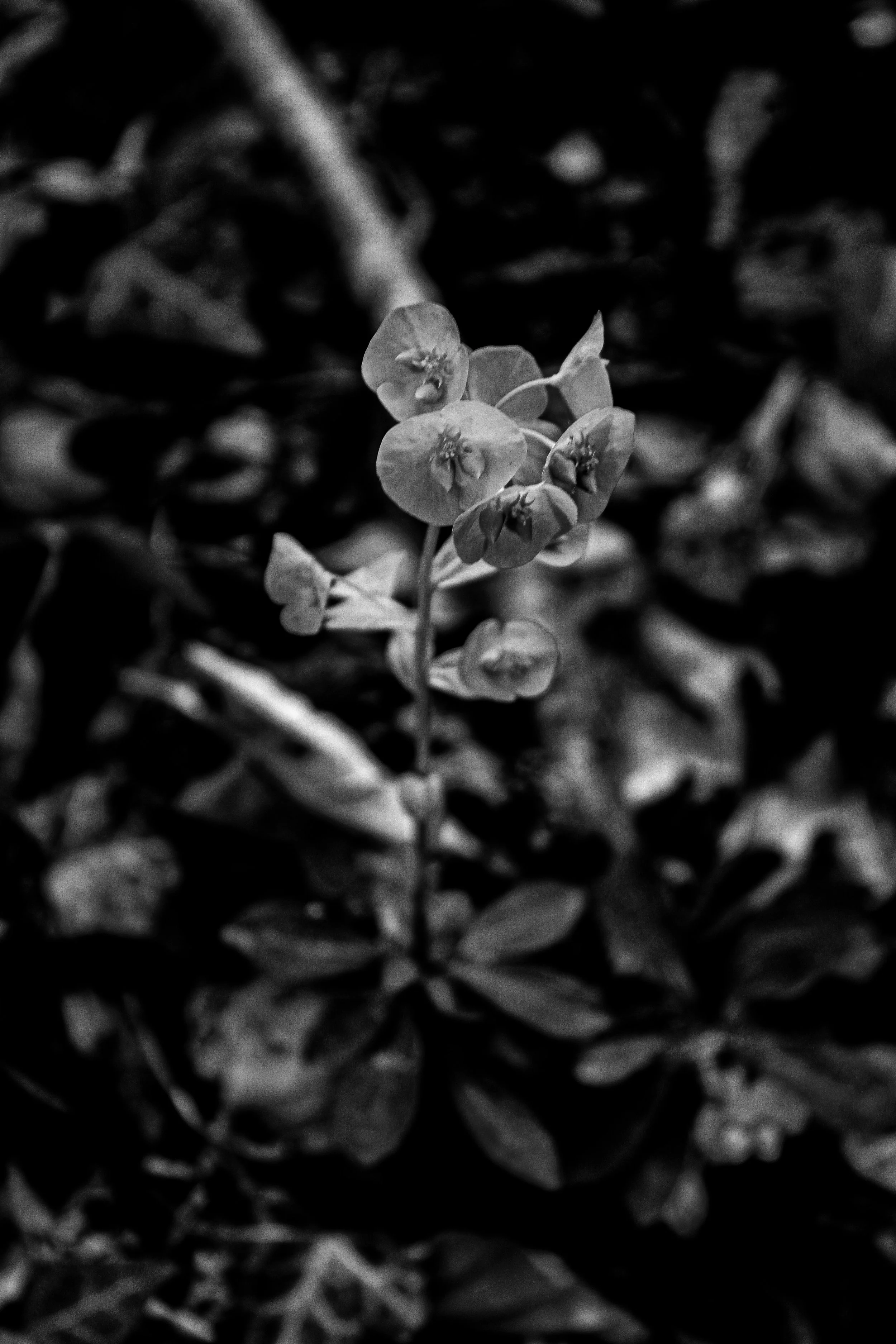
The final catharsis V
