The Prayer of Survival
When the plans change
I wake up early. The plan was to go to the beach for a photo shoot, but at the last minute I take a different turn. Up the hill. And I climb toward the castles.
The climb was difficult, as was the pain in my soul caused by the unfamiliar. Dawn was breaking. I climbed, and climbed again, listening to various songs.
At one point, just when everything was against me—complaints, misery, exhaustion, boredom, pain—I saw a school. A school that marked my entrance to the Castles. A school that pointed the way to freedom.
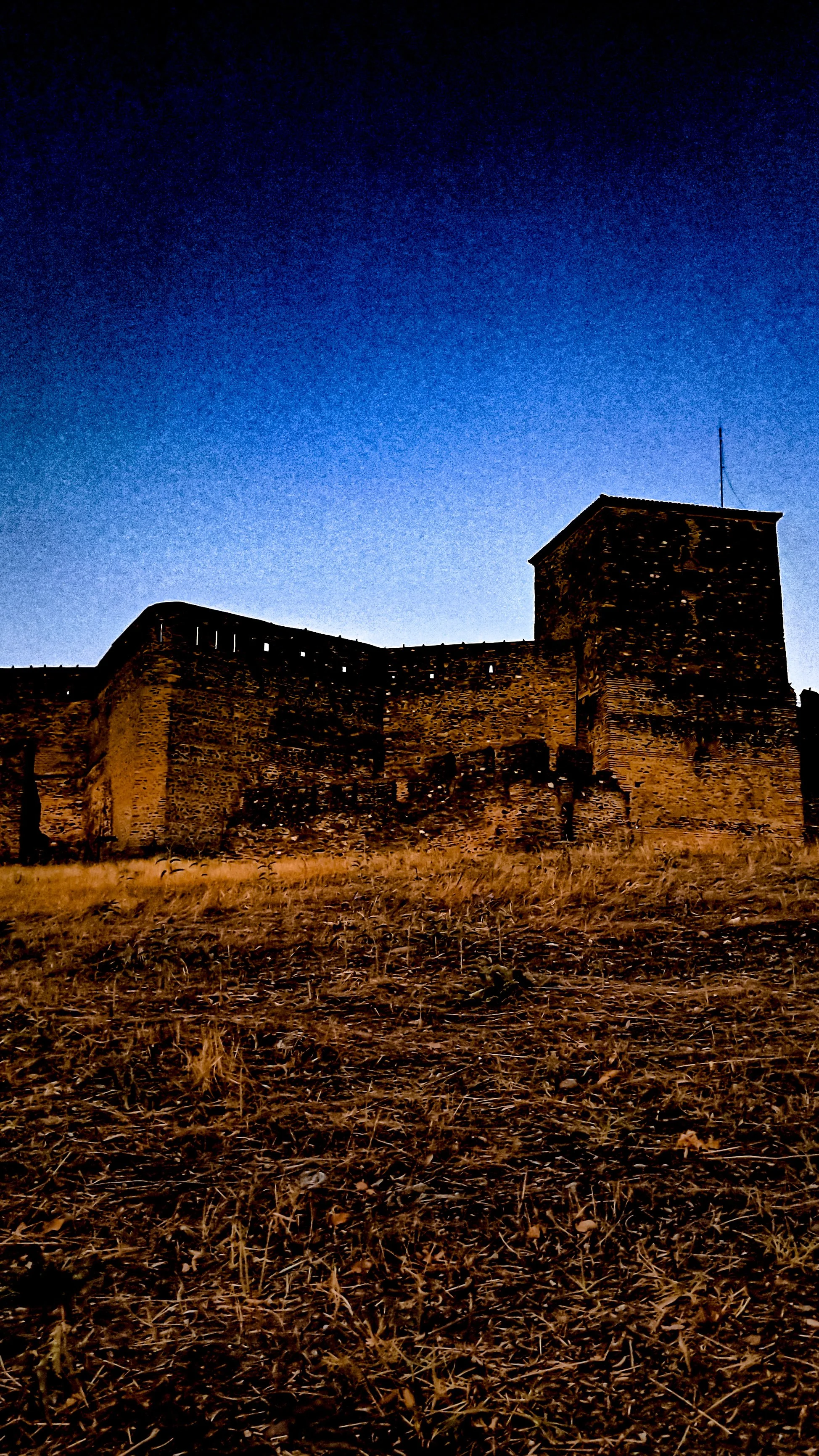
I kept climbing and climbing, until a gothic-style song showed me the path to Eptapyrgio. I had finally arrived. And do you know what the best part was? That I was taking pictures. This photo you see is the very first one I took.
The pain began to subside. The waters began to calm. My mind began to settle. To enjoy the moment. To smile at me. “Calm down, George,” it said, happy and content.
At the Triangion Tower and the castles, I saw crows bathing. As soon as they saw me, they flew away. I took a few photos. Then I walked through the narrow streets. I took a few more photos. And then, I headed back home while editing my photos. “Half in black and white, the other half in color,” I said to myself.
I got home. The pain was gone. But what had been causing the pain?
“But what was I in pain from?” the “prisoners” in the castles asked hundreds of years ago. Back when their souls were still persecuted and chained inside buildings that are now tourist attractions.
Many people think that this pain—the pain that drove people into “asylums”—is called madness. No. It’s not madness. It’s a form of continuous flow that blends with conventional reality.
When my plans changed, the “madness” shifted from me to something else—let’s call it a purpose. The nagging and the helplessness about what I would do this morning were resolved.
The people in the castles made plans. But their plans changed. Certainly not like mine. But due to circumstances beyond their control.
Castles symbolize security, protection, a semblance of freedom. But at the same time, they represent confinement, a prison, a sense of despair and loneliness.
I wonder, did our ancestors—whether from Thessaloniki or elsewhere—visit the castles while asking themselves these questions? Did they ponder these things? Or did they not have cell phones, the internet, or websites to share their thoughts?
When plans change, people usually blame the person in charge. No one dares to blame divine providence, and even if they did, they’d say, “Don’t make plans, because God laughs.” But you know what?
We live in such a goal-oriented and carefully designed, coherent reality that when God sees plans, He doesn’t laugh. On the contrary, He helps bring them to fruition.
Isn’t that the point of prayers?
Isn’t that their result?
In the final analysis, isn’t that what we believe in? In our simple, achievable, self-serving need for survival.
