What the Sun Sees
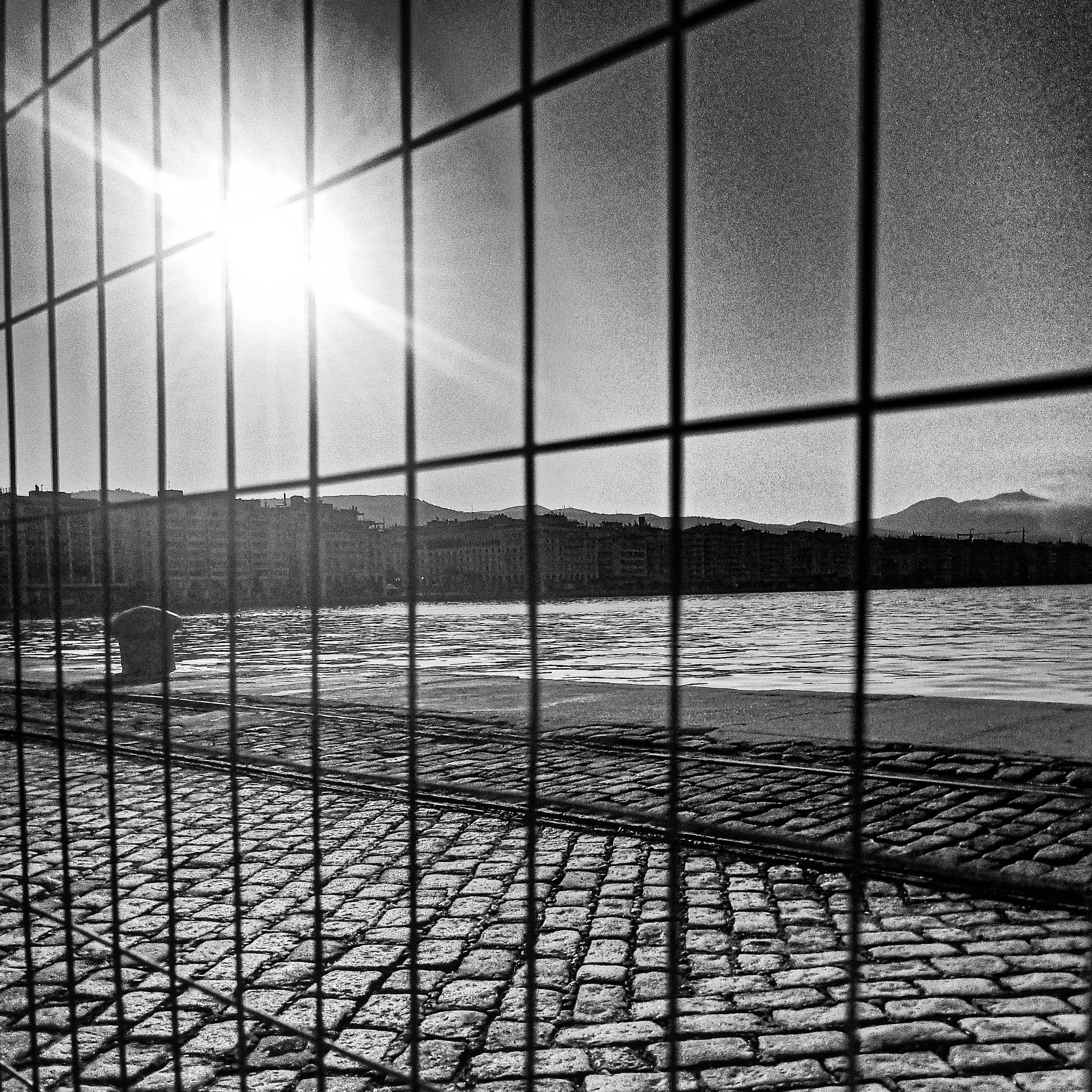
What the sun sees that you don’t; yet
Morning has barely begun. Before the first light of dawn appears, the streets are already filled with people. Some are heading to work, some are making their way home, others drift without direction, while still others are haunted by fears of their own making.
Yet every single one of them shares something in common: at night, they keep their hearts restrained, their minds burdened, and their hands guarded.
As dawn arrives and the sun slowly climbs into the sky, something begins to change. Emotions grow gentler. People feel more creative, more open, freer, sharper, and kinder.
It is then that they celebrate, laugh, work, create, and connect with one another, building relationships and friendships.
This photograph captures two essential subjects: the sun and humanity. The sun, released from its constraints, and humanity, likewise free from its own.
But consider this for a moment. Why must the sun continue its endless path, always present, always radiating warmth? Why must people go to work, do things they would rather avoid, and strive to satisfy others—or perhaps even the expectations they unknowingly place upon themselves?
The sun seems to smile as it gazes upon this photograph. Within a few hours, it will have passed the precise point that held it within my composition.
The man, convinced he is confined by invisible chains and trapped within a construct of his own mind, may remain there for a very long time—unless, one day, he comes to understand why this photograph was taken.
Downward. And naturally, the bars shift. The frame shifts too. So does the angle of the shot.
Eventually, he’ll understand that he was never truly trapped or confined. He’ll see that he never could be, because freedom is his very nature.
Yet the sun already knows this. And in the quiet exchange between the sun and me—the photographer who chose this scene as a “Deus ex machina”—it whispers: “Everything is temporary.”
But the unfortunate human, if never shown this truth or given the chance to learn it, may spend an entire lifetime believing the frame is all that exists. Just like in Plato’s cave.
What the sun—and I—can see is simple enough to proclaim. You only need to believe it. You only need to embrace it. You only need to accept it.
Accept what? That the bars are nothing more than a creation of your own. Nothing more.
